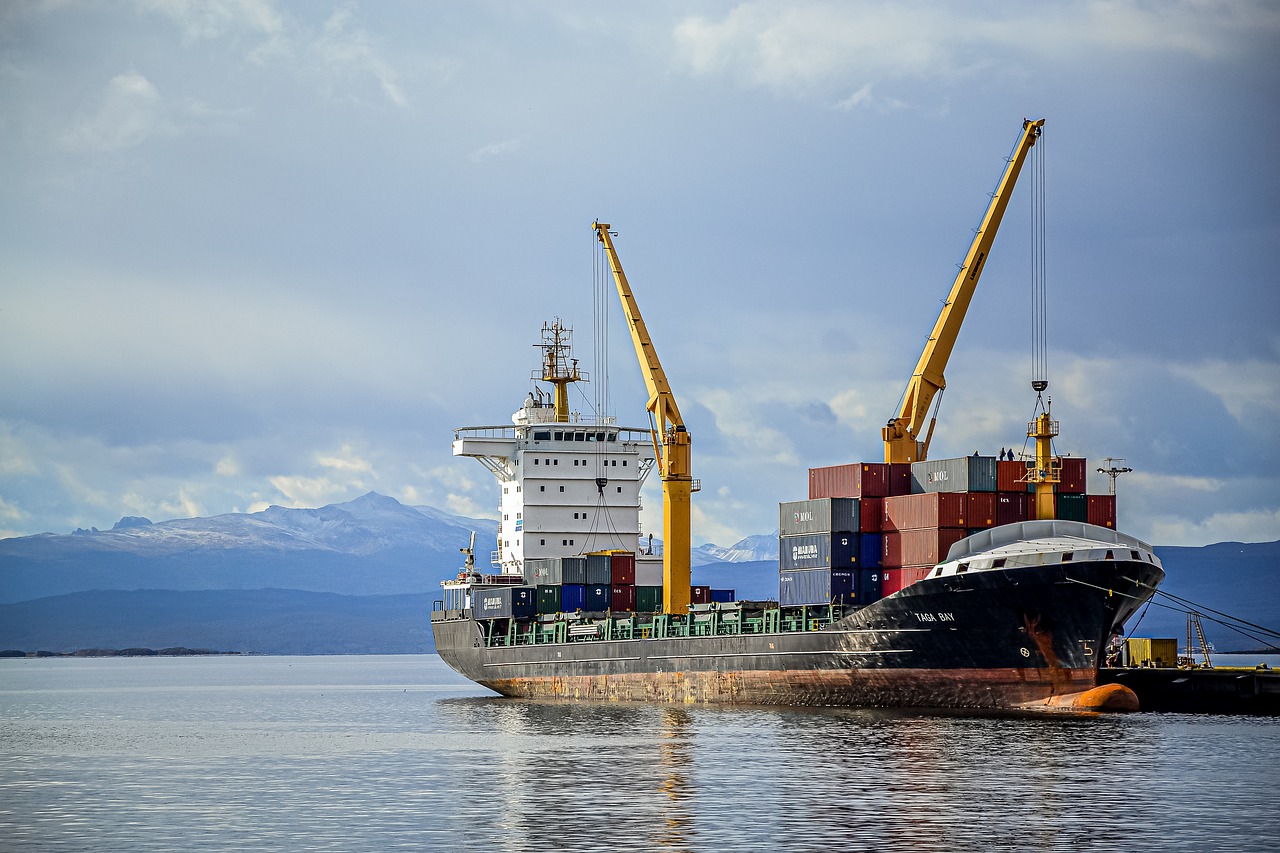
The article examines what a U.S. naval blockade of Iran would actually look like in practice, emphasizing that while the concept sounds straightforward, the execution is far more complex and uncertain. Although political messaging initially suggested a sweeping effort to shut down the Strait of Hormuz, the military has signaled a narrower objective: preventing ships from traveling to and from Iranian ports rather than stopping all traffic through the waterway.
Because the Pentagon has released few operational details, the article draws on past naval practices to outline how such a mission would likely unfold. At its core, the effort would rely on constant monitoring of maritime traffic. U.S. warships or surveillance systems would track vessels moving along Iran’s southern coast and through the Strait, identifying those that might be connected to Iranian trade. Given the length of the coastline and the volume of shipping in the region, even this initial step would require a significant and sustained commitment of resources.
Once a vessel is identified as a potential target, the process becomes more direct. A U.S. warship would intercept the ship and establish communication over radio, asking a series of standard questions about its origin, destination, cargo, and crew. If the vessel is deemed relevant to the blockade, the Navy would request permission to board and inspect it. In many cases, ships comply with these requests, slowing down and allowing a boarding team to climb aboard for inspection.
However, compliance cannot be assumed. If a vessel refuses to cooperate or attempts to evade inspection, the situation becomes more complicated and potentially dangerous. Boarding teams may have to approach in small boats under difficult conditions or deploy from helicopters, descending onto the ship using fast-ropes. These operations carry risks.
The piece also highlights that the U.S. Navy has significant experience with similar operations, particularly in enforcing sanctions. After the Gulf War, American forces routinely boarded ships suspected of smuggling Iraqi oil, often escorting them to designated holding areas where their cargo could be processed under international agreements. More recently, the U.S. has carried out comparable interdictions involving Venezuelan oil shipments. These precedents suggest that while the mechanics of a blockade are well understood, they are resource-intensive and can create ongoing logistical challenges, including the cost and legal complexity of handling seized vessels and cargo.
At the same time, the article underscores how unusual a full-scale blockade would be in modern terms. The last comparable effort was the U.S. “quarantine” of Cuba during the 1962 missile crisis, an operation widely understood as an act of war. More recent actions described as blockades have been narrower in scope, targeting specific goods like oil rather than attempting to control all maritime traffic.
Taken together, the analysis shows that a blockade of Iran would not resemble a dramatic show of force but rather a continuous, methodical process of surveillance, interception, and enforcement. It would depend on sustained naval presence, repeated ship boardings, and careful management of legal and logistical issues. What appears in political language as a decisive move is, in reality, an ongoing operational effort.